Web scraping tools have become essential for businesses and developers who need to extract valuable data from websites efficiently. In 2026, the landscape of web scraping tools offers sophisticated solutions that combine artificial intelligence, cloud processing, and user-friendly interfaces to handle everything from simple data collection to complex automated workflows. This comprehensive guide examines the leading platforms, their capabilities, and how to choose the right tool for your specific data extraction needs.
Key Takeaways:
- Modern web scraping tools offer AI-powered data extraction with minimal coding required
- Cloud-based solutions dominate 2026, providing scalability and reliability
- Visual scraping interfaces have largely replaced complex coding requirements
- Integration capabilities with databases, APIs, and automation platforms are standard
- Pricing ranges from free tiers to enterprise solutions starting at $500+/month
- Legal compliance and ethical scraping practices are built into leading platforms
What Are Web Scraping Tools and Why Do You Need Them?
Web scraping tools are software applications designed to automatically extract data from websites, converting unstructured web content into structured, usable formats like CSV, JSON, or direct database integration. Unlike manual data collection, these tools can process thousands of pages in minutes while maintaining accuracy and consistency.
Modern businesses rely on web scraping for competitive analysis, market research, price monitoring, lead generation, and content aggregation. The global web scraping services market reached $1.7 billion in 2025 and is projected to grow 15.8% annually through 2030, highlighting the critical role these tools play in data-driven decision making.
The evolution of web scraping tools in 2026 focuses on three key areas: intelligent data recognition, anti-detection capabilities, and seamless workflow integration. These advancements make data extraction accessible to non-technical users while providing developers with powerful APIs and customization options.
How Do Modern Web Scraping Tools Work in 2026?
Contemporary web scraping tools employ multiple technologies to extract data effectively. The process typically involves four key stages that work together to deliver clean, structured data:
- Target Identification: AI-powered algorithms analyze webpage structure and identify data patterns automatically
- Data Extraction: Advanced parsing engines handle JavaScript-heavy sites, dynamic content, and complex layouts
- Data Processing: Built-in cleaning and transformation features standardize extracted information
- Data Delivery: Automated export to databases, APIs, or file formats based on user preferences
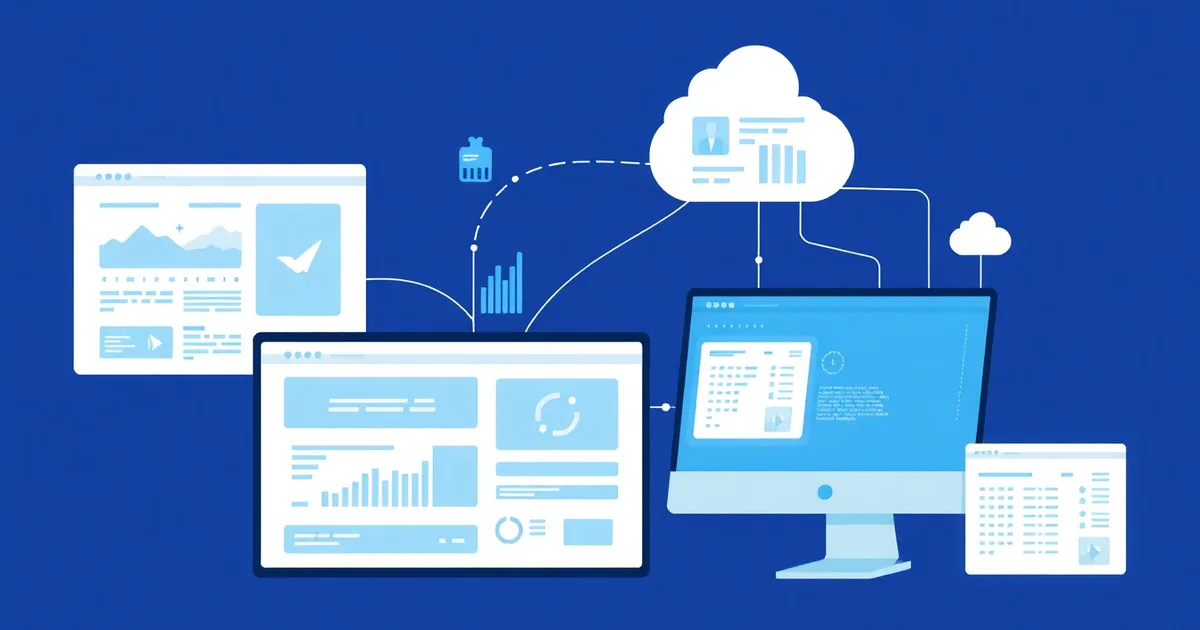
The integration capabilities of modern tools extend beyond simple data extraction. Many platforms now offer native connections to popular database management systems and can trigger automated workflows based on scraped data changes.
What Are the Top Web Scraping Tools for 2026?
Enterprise-Grade Solutions
Octoparse leads the enterprise category with its AI-powered data extraction engine and robust cloud infrastructure. The platform handles over 10 million pages daily and offers advanced features like IP rotation, CAPTCHA solving, and real-time data monitoring.
Scrapy Cloud remains the preferred choice for Python developers, providing distributed scraping capabilities and comprehensive API management. Its integration with popular development frameworks makes it ideal for teams already invested in Python ecosystems.
ParseHub excels in handling complex JavaScript-heavy websites and offers visual point-and-click interfaces that require no coding knowledge. The platform's machine learning algorithms adapt to website changes automatically.
Developer-Friendly Platforms
Playwright and Puppeteer continue dominating the headless browser automation space, offering precise control over scraping processes and excellent handling of modern web applications. These tools integrate seamlessly with existing development workflows and CI/CD pipelines.
Apify provides a comprehensive ecosystem combining ready-made scrapers with custom development capabilities. Its marketplace approach allows developers to monetize their scraping solutions while offering businesses access to pre-built extractors.
Marketplaces like AppBull often feature specialized web scraping tools and browser automation solutions at competitive prices, making enterprise-grade capabilities accessible to smaller teams and individual developers.
How to Choose the Right Web Scraping Tool for Your Needs?
Selecting the optimal web scraping tool depends on several critical factors that align with your technical requirements and business objectives:
- Technical Expertise Level: Visual tools for non-programmers vs. API-based solutions for developers
- Scale Requirements: Number of websites, pages per day, and concurrent scraping jobs needed
- Data Complexity: Simple text extraction vs. handling JavaScript, forms, and dynamic content
- Integration Needs: Direct database connections, API endpoints, or file export requirements
- Budget Constraints: Free tiers, pay-per-use pricing, or enterprise licensing models
- Compliance Requirements: Built-in respect for robots.txt, rate limiting, and legal safeguards
Consider your long-term scalability needs when evaluating options. Tools that seem adequate for initial projects may become bottlenecks as data requirements grow. Similar to choosing project management platforms, the key is balancing current needs with future growth potential.
What Are the Key Features to Look for in 2026?
AI-Powered Data Recognition
Modern web scraping tools leverage artificial intelligence to automatically identify and extract relevant data without manual configuration. This capability dramatically reduces setup time and improves accuracy across different website structures.
Anti-Detection Technologies
Advanced tools incorporate sophisticated techniques to avoid detection, including residential proxy networks, browser fingerprint randomization, and human-like interaction patterns. These features ensure reliable data access while respecting website terms of service.
Cloud-Based Processing
Cloud infrastructure provides scalability, reliability, and reduced maintenance overhead. Leading platforms offer global server networks, automatic scaling, and 99.9% uptime guarantees that eliminate local hardware dependencies.
Visual Interface Design
Point-and-click interfaces have become standard, allowing users to define extraction rules visually rather than through complex code. This democratization of web scraping makes the technology accessible to marketing teams, analysts, and business users.
How Much Do Web Scraping Tools Cost in 2026?
Web scraping tool pricing varies significantly based on features, scale, and target market. Understanding the cost structure helps in making informed decisions:
| Category | Price Range | Best For | Key Features |
|---|---|---|---|
| Free/Open Source | $0 | Developers, Learning | Basic extraction, self-hosted |
| Small Business | $30-200/month | SMEs, Agencies | Cloud hosting, basic support |
| Professional | $500-2000/month | Growing Companies | Advanced features, integrations |
| Enterprise | $5000+/month | Large Organizations | Custom solutions, dedicated support |
Many platforms offer usage-based pricing models that charge per page scraped or data points extracted. This approach provides cost control for variable workloads but can become expensive for high-volume operations.
When evaluating costs, factor in potential savings from automated data collection versus manual research. Most businesses see ROI within 3-6 months when replacing manual data gathering processes with automated scraping solutions.
What Are the Legal and Ethical Considerations?
Web scraping operates in a complex legal landscape that requires careful consideration of multiple factors. Responsible scraping practices protect both your business and the websites you're accessing data from.
Key legal considerations include:
- Robots.txt Compliance: Respecting website scraping guidelines and restrictions
- Terms of Service: Understanding and adhering to website usage policies
- Data Privacy Laws: GDPR, CCPA, and other regional privacy regulations
- Rate Limiting: Avoiding excessive requests that could impact website performance
- Public vs. Private Data: Distinguishing between publicly available and protected information
Leading web scraping tools in 2026 incorporate ethical guidelines and technical safeguards to ensure compliance. Features like automatic rate limiting, robots.txt checking, and GDPR-compliant data handling are now standard in professional platforms.
How to Optimize Web Scraping Performance?
Maximizing the efficiency and reliability of your web scraping operations requires strategic approach to configuration and monitoring:
- Implement Proper Error Handling: Configure retry logic, timeout settings, and fallback mechanisms
- Use Distributed Processing: Spread scraping tasks across multiple servers or cloud instances
- Monitor Data Quality: Set up automated validation and quality checks for extracted data
- Optimize Request Patterns: Balance speed with respectful crawling practices
- Cache and Store Efficiently: Implement proper data storage and caching strategies
Performance optimization often requires integration with other development tools. Just as automated testing frameworks ensure code quality, proper monitoring ensures scraping reliability and data accuracy.
What Integration Options Are Available?
Modern web scraping tools excel in their ability to connect with existing business systems and workflows. Integration capabilities determine how effectively scraped data can be utilized across your organization.
Database Connectivity
Direct integration with popular databases including MySQL, PostgreSQL, MongoDB, and cloud data warehouses like Snowflake and BigQuery enables real-time data synchronization without intermediate file handling.
API and Webhook Support
RESTful APIs and webhook notifications allow scraped data to trigger automated workflows, update CRM systems, or initiate marketing campaigns. This real-time connectivity transforms passive data collection into active business intelligence.
Business Intelligence Platforms
Native connectors to BI tools like Tableau, Power BI, and Google Analytics enable immediate visualization and analysis of scraped data. This integration eliminates manual data import processes and reduces time-to-insight.
The integration ecosystem extends to email marketing platforms and customer relationship management systems, enabling comprehensive data-driven marketing strategies.
What Are the Common Challenges and Solutions?
Web scraping projects encounter predictable challenges that modern tools are designed to address. Understanding these issues helps in selecting appropriate solutions and setting realistic expectations.
Website Changes and Maintenance
Websites frequently update their structure, breaking existing scraping configurations. AI-powered tools now offer adaptive scraping that automatically adjusts to minor layout changes, while providing alerts for major modifications requiring manual intervention.
Anti-Bot Protection
Sophisticated anti-bot systems including CAPTCHAs, device fingerprinting, and behavioral analysis pose ongoing challenges. Professional scraping tools counter these measures with rotating proxies, browser automation, and machine learning-based bypass techniques.
Data Quality and Consistency
Ensuring extracted data meets quality standards requires robust validation and cleaning processes. Modern platforms include built-in data quality checks, duplicate detection, and format standardization features.
Addressing these challenges often requires monitoring infrastructure similar to API monitoring solutions that track performance and alert teams to issues before they impact data collection.
How to Get Started with Web Scraping in 2026?
Beginning your web scraping journey requires a strategic approach that balances learning curve with immediate results. Follow these steps to establish effective data extraction processes:
- Define Your Data Requirements: Identify specific websites, data points, and update frequencies needed
- Choose Your Tool Category: Select between visual interfaces, developer APIs, or hybrid solutions
- Start with a Pilot Project: Test your chosen tool on a small, well-defined scraping task
- Implement Data Validation: Establish quality checks and monitoring for extracted data
- Scale Gradually: Expand scope and complexity as you gain experience and confidence
- Monitor and Optimize: Continuously improve performance and adapt to changing requirements
Consider exploring specialized tools available through platforms like AppBull, which often provide cost-effective access to professional-grade scraping solutions with community support and documentation.
For teams new to web scraping, starting with visual tools that require minimal coding provides the fastest path to value while building understanding of core concepts and best practices.
Web scraping tools in 2026 represent a mature, sophisticated ecosystem that democratizes access to web data while providing enterprise-grade capabilities for complex requirements. The combination of AI-powered intelligence, cloud scalability, and ethical compliance features makes modern web scraping accessible to businesses of all sizes. Whether you're conducting market research, monitoring competitor pricing, or aggregating content, the right web scraping tool can transform how your organization collects and utilizes web-based information. Success lies in matching tool capabilities to your specific requirements while maintaining responsible scraping practices that respect both legal boundaries and website resources.