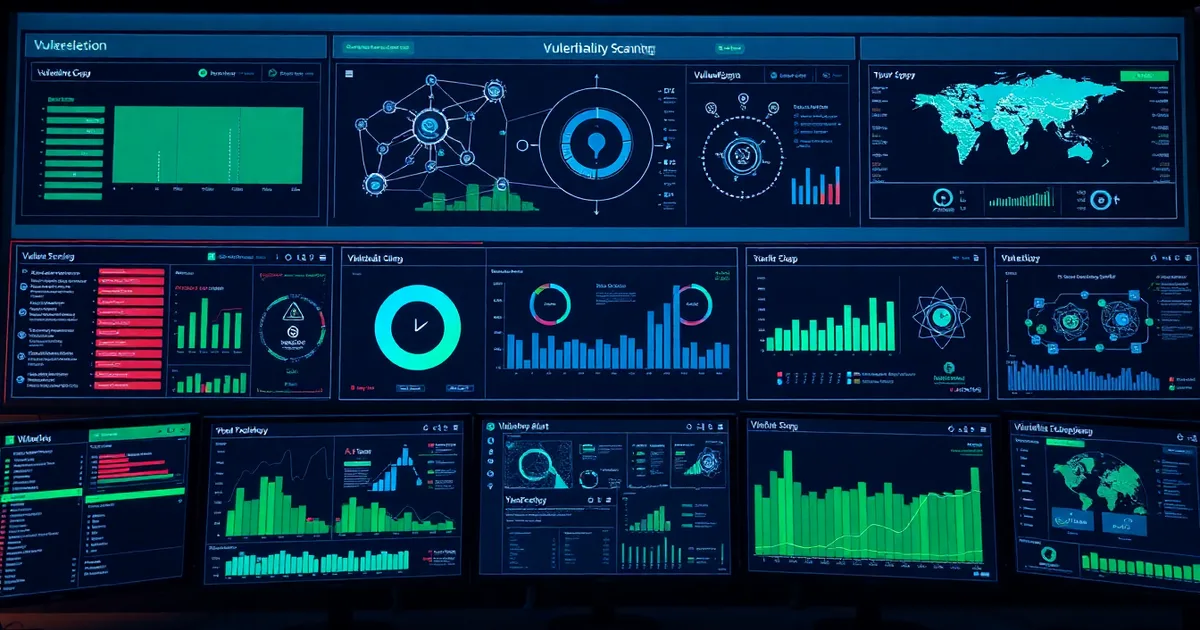
Vulnerability scanning tools have become indispensable for modern cybersecurity strategies, helping organizations identify and remediate security weaknesses before malicious actors can exploit them. These specialized security software solutions automatically scan web applications, networks, and infrastructure to detect vulnerabilities, misconfigurations, and potential entry points that could compromise your digital assets. In 2026, with cyber threats evolving rapidly and regulatory compliance becoming increasingly stringent, choosing the right vulnerability scanning tools is crucial for maintaining robust security postures.
Key Takeaways
- Vulnerability scanning tools are essential for proactive cybersecurity, identifying weaknesses before attackers exploit them
- Modern scanners offer automated scheduling, comprehensive reporting, and integration with CI/CD pipelines
- Network scanners focus on infrastructure vulnerabilities, while web application scanners target OWASP Top 10 risks
- Cloud-native scanning solutions are increasingly important for hybrid and multi-cloud environments
- Regular scanning combined with patch management reduces security risk by up to 85%
- Compliance requirements like PCI DSS and SOC 2 mandate regular vulnerability assessments
What Are Vulnerability Scanning Tools and Why Do You Need Them?
Vulnerability scanning tools are automated security software applications that systematically examine networks, web applications, databases, and other digital assets to identify security vulnerabilities, configuration errors, and compliance gaps. These tools work by comparing system configurations against known vulnerability databases like CVE (Common Vulnerabilities and Exposures) and security benchmarks.
The primary benefits of implementing vulnerability scanning tools include:
- Proactive threat detection: Identify vulnerabilities before attackers discover them
- Compliance assurance: Meet regulatory requirements for security assessments
- Risk prioritization: Focus remediation efforts on the most critical vulnerabilities
- Automated monitoring: Continuous scanning reduces manual security assessment overhead
- Cost reduction: Prevent expensive data breaches and system compromises
According to recent cybersecurity statistics, organizations that implement regular vulnerability scanning reduce their risk of successful cyberattacks by 85%. This makes vulnerability scanning tools not just recommended but essential for any serious security strategy.
What Types of Vulnerability Scanning Tools Should You Consider?
Understanding the different categories of vulnerability scanning tools helps you select the right solutions for your specific security needs. Each type serves distinct purposes and covers different aspects of your attack surface.
Network Vulnerability Scanners
Network vulnerability scanners focus on identifying weaknesses in network infrastructure, including routers, switches, firewalls, and networked devices. These tools perform port scans, service enumeration, and configuration analysis to detect potential entry points.
Key features of network scanners include:
- Port scanning and service detection
- Operating system fingerprinting
- Network topology mapping
- Wireless network security assessment
- IoT device vulnerability detection
Web Application Security Scanners
Web application vulnerability scanners specialize in detecting security flaws in web applications, APIs, and web services. These tools test for common vulnerabilities like SQL injection, cross-site scripting (XSS), and authentication bypasses outlined in the OWASP Top 10.
Essential web application scanning capabilities include:
- Dynamic Application Security Testing (DAST)
- API security testing
- Authentication and session management testing
- Input validation and injection vulnerability detection
- SSL/TLS configuration analysis
Database Vulnerability Scanners
Database-specific vulnerability scanners examine database configurations, access controls, and potential security weaknesses in database management systems. These tools are particularly important given that databases often contain the most sensitive organizational data.
Similar to how comprehensive database management solutions help optimize database performance, specialized database vulnerability scanners ensure these critical systems remain secure from potential threats.
How Do You Choose the Right Vulnerability Scanning Tools?
Selecting appropriate vulnerability scanning tools requires careful consideration of your organization's specific needs, technical environment, and security objectives. The decision should align with your overall cybersecurity strategy and complement existing security tools.
Assessment Scope and Coverage
Evaluate what assets and technologies your vulnerability scanning tools need to cover:
- Asset inventory: Catalog all systems, applications, and network components
- Technology stack: Ensure scanner compatibility with your platforms
- Cloud environments: Verify support for your cloud infrastructure
- Compliance requirements: Match scanning capabilities to regulatory needs
- Integration needs: Consider compatibility with existing security tools
Scanning Accuracy and False Positive Management
The effectiveness of vulnerability scanning tools depends heavily on their accuracy in identifying genuine vulnerabilities while minimizing false positives. High-quality scanners typically achieve:
- Detection rates above 95% for known vulnerabilities
- False positive rates below 5%
- Comprehensive vulnerability databases updated regularly
- Intelligent filtering and risk scoring mechanisms
Reporting and Remediation Guidance
Effective vulnerability scanning tools provide actionable reports with clear remediation guidance. Look for features such as:
- Executive summary dashboards for leadership
- Technical detailed reports for security teams
- Risk-based vulnerability prioritization
- Remediation steps and patch recommendations
- Trend analysis and progress tracking
What Are the Top Network Vulnerability Scanning Solutions?
Network vulnerability scanners form the backbone of infrastructure security assessment. These tools help identify weaknesses in network devices, services, and configurations that could provide entry points for attackers.
Enterprise Network Scanning Platforms
Enterprise-grade network vulnerability scanners offer comprehensive coverage and advanced features for large-scale deployments:
- Nessus Professional: Industry-standard scanner with extensive vulnerability database
- Rapid7 InsightVM: Cloud-based platform with real-time vulnerability management
- Qualys VMDR: Integrated vulnerability management and threat detection
- Greenbone OpenVAS: Open-source alternative with commercial support options
Cloud-Native Network Security Tools
Modern network environments increasingly rely on cloud infrastructure, requiring specialized scanning capabilities:
- AWS Inspector for Amazon Web Services environments
- Azure Security Center for Microsoft Azure deployments
- Google Cloud Security Command Center
- Multi-cloud vulnerability management platforms
Organizations looking to optimize their cloud infrastructure security should consider how these scanning tools integrate with their broader cloud strategy, similar to how container orchestration platforms require specialized security considerations.
Which Web Application Vulnerability Scanners Deliver the Best Results?
Web application vulnerability scanners are essential for identifying security flaws in web-based applications, APIs, and services. These tools help organizations address the OWASP Top 10 vulnerabilities and maintain secure web presences.
Dynamic Application Security Testing (DAST) Tools
DAST tools test running applications from an external perspective, simulating how attackers would probe for vulnerabilities:
- OWASP ZAP: Free, open-source web application security scanner
- Burp Suite Professional: Comprehensive web application testing platform
- Acunetix: Automated web vulnerability scanner with low false positives
- AppSpider: Enterprise web application security testing solution
API Security Scanning Solutions
With APIs becoming critical components of modern applications, specialized API vulnerability scanners are increasingly important:
- Postman Security: API testing and security validation
- 42Crunch API Security: Comprehensive API vulnerability management
- Checkmarx KICS: Infrastructure as Code security scanning
- InsightAppSec: Application security testing with API support
Just as API monitoring tools help track application performance, API vulnerability scanners ensure these critical interfaces remain secure from potential exploits.
How Should You Implement Vulnerability Scanning in Your Security Strategy?
Successful vulnerability scanning implementation requires more than just deploying tools—it demands a comprehensive approach that integrates scanning into your broader security operations and development lifecycle.
Establishing Scanning Schedules and Policies
Create a systematic approach to vulnerability scanning with clearly defined schedules and policies:
- Continuous scanning: Real-time monitoring for critical assets
- Weekly scans: Regular assessment of production systems
- Monthly comprehensive scans: Deep analysis of entire infrastructure
- Pre-deployment scans: Security validation before system changes
- Compliance-driven scans: Scheduled assessments for regulatory requirements
Integration with Development Workflows
Modern vulnerability scanning should integrate seamlessly with development and deployment processes:
- Embed scanning in CI/CD pipelines
- Automate security testing in development environments
- Implement shift-left security practices
- Create security gates for production deployments
- Establish feedback loops between security and development teams
Vulnerability Management and Remediation
Effective vulnerability management extends beyond identification to include systematic remediation:
| Risk Level | Response Time | Action Required |
|---|---|---|
| Critical | 24-48 hours | Immediate patching or mitigation |
| High | 1-2 weeks | Scheduled remediation with workarounds |
| Medium | 30 days | Planned patches in next maintenance window |
| Low | 90 days | Long-term remediation planning |
What Are the Key Features to Look for in Modern Vulnerability Scanners?
The vulnerability scanning landscape continues evolving with new technologies and threat vectors. Modern scanning tools must adapt to hybrid cloud environments, DevOps practices, and emerging security challenges.
Cloud and Hybrid Environment Support
Contemporary vulnerability scanning tools must support diverse infrastructure models:
- Multi-cloud deployment capabilities
- Container and Kubernetes security scanning
- Serverless function vulnerability assessment
- Infrastructure as Code (IaC) security validation
- Hybrid on-premises and cloud environment coverage
Intelligence and Automation Features
Advanced vulnerability scanners leverage artificial intelligence and automation to improve efficiency:
- Machine learning-based risk scoring: Intelligent vulnerability prioritization
- Automated remediation suggestions: Context-aware fix recommendations
- Threat intelligence integration: Real-world exploit likelihood assessment
- False positive reduction: AI-powered accuracy improvements
- Behavioral analysis: Detection of unusual system behaviors
Integration and Workflow Automation
Modern scanning tools should integrate seamlessly with existing security and development toolchains:
- SIEM and security orchestration platform integration
- Ticketing system automation for vulnerability tracking
- CI/CD pipeline security gate implementation
- Configuration management system synchronization
- Business intelligence dashboard integration
Organizations investing in comprehensive security strategies often find that vulnerability scanning tools work best when integrated with other security solutions, much like how customer relationship management systems benefit from integration with broader business intelligence platforms.
How Can You Optimize Vulnerability Scanning ROI and Effectiveness?
Maximizing the return on investment from vulnerability scanning tools requires strategic implementation and ongoing optimization. Organizations must balance comprehensive coverage with operational efficiency.
Cost-Effective Scanning Strategies
Implement smart scanning approaches that maximize security coverage while controlling costs:
- Risk-based scanning: Prioritize high-value assets and critical systems
- Differential scanning: Focus on changes since the last assessment
- Authenticated scanning: Achieve deeper visibility with system credentials
- Scheduled optimization: Balance scan frequency with system performance
- Resource pooling: Share scanning infrastructure across multiple environments
Performance and Scalability Considerations
Ensure your vulnerability scanning infrastructure can scale with organizational growth:
- Distributed scanning architecture for large networks
- Cloud-based scanning for scalable capacity
- Performance impact minimization during business hours
- Bandwidth optimization for remote location scanning
- Resource allocation planning for comprehensive assessments
Organizations can find cost-effective vulnerability scanning solutions through various channels, including specialized marketplaces like AppBull that offer curated security tools at competitive prices.
What Compliance Requirements Drive Vulnerability Scanning Needs?
Regulatory compliance often mandates regular vulnerability assessments, making scanning tools essential for meeting legal and industry requirements. Understanding these obligations helps justify security investments and guide tool selection.
Major Compliance Frameworks
Key regulatory standards that require vulnerability scanning include:
- PCI DSS: Quarterly external and internal vulnerability scans
- SOC 2: Regular security assessments and vulnerability management
- ISO 27001: Systematic vulnerability identification and treatment
- NIST Cybersecurity Framework: Continuous vulnerability detection capabilities
- GDPR: Technical security measures including vulnerability management
Industry-Specific Requirements
Different industries have specialized vulnerability scanning requirements:
| Industry | Key Standards | Scanning Requirements |
|---|---|---|
| Financial Services | PCI DSS, SOX | Quarterly scans, continuous monitoring |
| Healthcare | HIPAA, HITECH | Regular assessments, PHI protection |
| Government | FedRAMP, NIST | Continuous monitoring, FISMA compliance |
| Retail | PCI DSS | Payment system security validation |
Practical Implementation Tips for Vulnerability Scanning Success
Successfully deploying vulnerability scanning tools requires careful planning and attention to operational details. These practical tips help ensure effective implementation and ongoing success.
Pre-Implementation Planning
- Asset discovery and inventory: Catalog all systems requiring scanning
- Network architecture mapping: Understand scanning access requirements
- Stakeholder alignment: Ensure security and operations team coordination
- Resource allocation: Plan for adequate scanning infrastructure
- Policy development: Establish clear vulnerability management procedures
Operational Best Practices
- Start with authenticated scans for comprehensive coverage
- Implement scanning schedules that minimize business impact
- Establish clear escalation procedures for critical vulnerabilities
- Create regular reporting cycles for stakeholder communication
- Maintain scanning tool databases with latest vulnerability signatures
- Document scanning exceptions and compensating controls
- Regular scanner configuration reviews and optimization
Common Implementation Challenges and Solutions
- False positive management: Implement verification processes and tool tuning
- Scan performance impact: Schedule scans during maintenance windows
- Network access issues: Coordinate with network teams for scanner deployment
- Remediation bottlenecks: Establish priority-based patching workflows
- Tool integration complexity: Plan phased integration with existing systems
Organizations can streamline their security tool acquisition process by leveraging platforms that specialize in curated security solutions, similar to how developers find quality tools through established marketplaces like AppBull.
Future Trends in Vulnerability Scanning Technology
The vulnerability scanning industry continues evolving rapidly, driven by emerging technologies, changing threat landscapes, and evolving business requirements. Understanding these trends helps organizations make informed long-term security investments.
Artificial Intelligence and Machine Learning Integration
AI and ML technologies are transforming vulnerability scanning capabilities:
- Intelligent vulnerability prioritization based on exploitability
- Automated false positive reduction and accuracy improvement
- Predictive vulnerability assessment and risk modeling
- Behavioral anomaly detection for zero-day threats
- Natural language processing for vulnerability research integration
Cloud-Native and DevSecOps Evolution
Scanning tools are adapting to modern development and deployment practices:
- Serverless and microservices security scanning
- Container image vulnerability assessment
- Infrastructure as Code security validation
- CI/CD pipeline security integration
- Real-time application security monitoring
Emerging Technology Coverage
Next-generation vulnerability scanners are expanding coverage to include:
- IoT and edge device security assessment
- 5G network infrastructure vulnerabilities
- Blockchain and cryptocurrency platform security
- Quantum computing impact on cryptographic vulnerabilities
- Extended reality (XR) application security
Comprehensive Vulnerability Scanner Comparison
| Scanner Type | Best Use Cases | Key Strengths | Typical Price Range |
|---|---|---|---|
| Network Scanners | Infrastructure assessment | Comprehensive coverage, compliance reporting | $2,000-$50,000/year |
| Web App Scanners | Application security testing | OWASP coverage, low false positives | $5,000-$100,000/year |
| Database Scanners | Database security assessment | Specialized database knowledge | $3,000-$25,000/year |
| Cloud-Native Tools | Cloud infrastructure security | Auto-discovery, elastic scaling | $10,000-$200,000/year |
| Open Source Solutions | Budget-conscious organizations | Community support, customization | Free-$10,000/year support |
Understanding the security landscape requires comprehensive knowledge of various tools and technologies. Organizations developing robust security strategies should consider how vulnerability scanning integrates with other security components, including secure content management systems and broader infrastructure security measures.
In conclusion, vulnerability scanning tools represent a critical investment in organizational cybersecurity resilience. By understanding the different types of scanners available, implementing them strategically, and integrating them effectively with existing security operations, organizations can significantly reduce their attack surface and improve their overall security posture. The key to success lies in selecting tools that align with specific organizational needs, maintaining regular scanning schedules, and establishing efficient vulnerability remediation processes that translate scanning insights into actionable security improvements.